Introduction
Choosing a drone starts with a simple question: what do you want it to do?
You may want better property photos. You may need land images, crop checks, building inspections, or survey data. Each job can need a different drone and skill set.
That choice can feel hard when you see many models online. Each model can have different cameras, batteries, flight times, sizes, and controls.
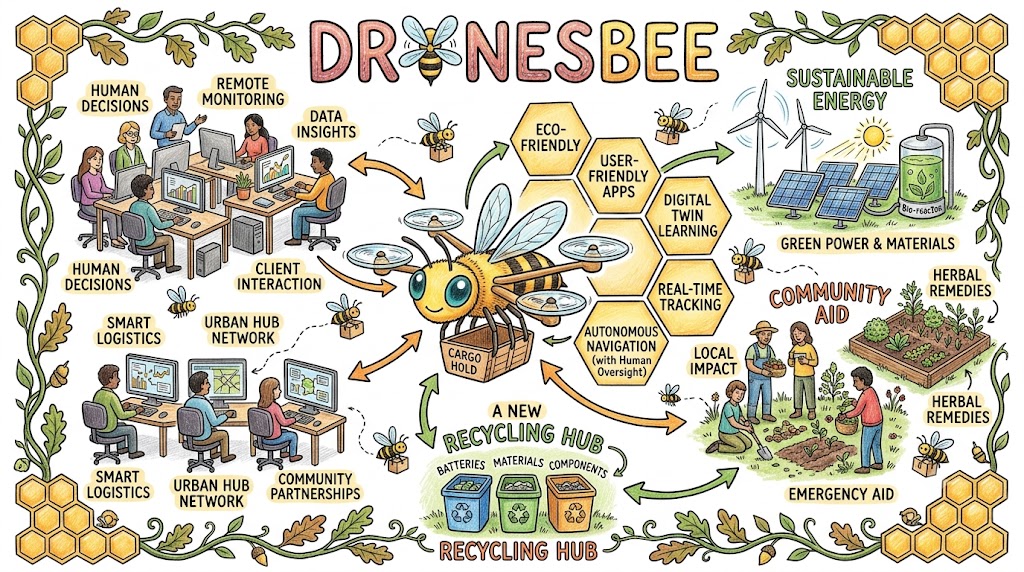
DronesBee.com helps simplify this process. It brings drone information, reviews, comparisons, operators, services, and learning resources together.
The platform can help beginners learn the basics. It can also help businesses find people for professional drone work.
This guide explains how to use that information wisely. It focuses on simple steps that can help you research, compare, and plan your next drone project.
First Decide What You Want From a Drone
A clear goal can make your search much easier. Start with the task instead of the drone brand.
Think about the work you want to complete. You may need travel photos, real estate videos, farm images, site records, maps, or inspection photos.
Each task can need different equipment. A traveler may prefer a small and easy drone. A survey team may need special tools for larger projects.
Write down your main goal before you search. Then create a short list of features that support that goal.
For example, ask:
- What do I need to capture?
- Where will I use the drone?
- Who will fly it?
- How often will I use it?
- What result do I need?
- Should I buy equipment or hire help?
This approach keeps your research focused.
Read Drone Reviews With a Clear Purpose
Useful drone reviews can teach you about a model before you spend money. They can explain important features and common uses.
Start with the details that match your project. A photographer may focus on the camera. A field worker may care more about flight time.
You should also check weight, battery life, controls, sensors, and safety tools. These details can change how you use the drone.
Do not choose a drone just because a review praises it. Think about whether its features solve your own problem.
DronesBee gives users a place to explore drone information. You can use that information to understand different models and their possible uses.
A simple review checklist can help:
- Main purpose
- Camera
- Flight time
- Weight
- Battery
- Controls
- Safety features
- Suitable work
Compare Features Before You Pick a Model
When several drones look similar, drone comparison can help you narrow your choices.
You can compare models using the same points. This method gives you a clearer view of what each drone offers.
| Feature | Simple question |
|---|---|
| Camera | Will it capture what I need? |
| Flight time | Can it fly long enough? |
| Weight | Can I carry it easily? |
| Battery | Can I manage the charging needs? |
| Range | Does it suit my flying area? |
| Sensors | What help do they provide? |
| Size | Can I store and transport it? |
| Use | Does it match my project? |
You do not need to choose the model with the longest feature list.
Instead, choose features that solve your actual problem. This can save money and reduce confusion.
What Makes the Best Drones Different?
Search results often use the phrase best drones. But every user has a different definition of “best.”
A beginner may want simple controls. A photographer may need a strong camera. A farmer may need tools for field work.
A construction team may need another type of drone. An inspection team may need a camera that can capture detailed views.
So, start with your own needs.
Consider these points:
- Your skill level
- Your main task
- Your budget
- Flight time
- Camera needs
- Drone size
- Safety tools
- Flying location
After that, compare models that match your list.
DronesBee can help users explore different drone types and their uses. This can turn a broad search into a more focused one.
Understand Drone Specifications Step by Step
The phrase drone specifications may sound technical. You can understand it without learning everything at once.
Flight time tells you how long the drone can fly. Weight tells you how heavy the aircraft is.
Camera details tell you about photo and video features. Battery details help you plan charging and extra batteries.
Control range gives you information about the distance between the controller and drone. Sensors can help the drone detect objects around it.
Start with the features that matter to your work.
For example, a photographer should study camera features first. A person working outdoors for long periods should check flight time and battery needs.
Small steps make technical information easier to understand.
Think About Drone Services Before Buying Equipment
Buying a drone may not make sense for every project. Sometimes, hiring a professional can offer a simpler option.
Professional drone services can give businesses access to equipment and skilled operators. You can hire help when you need a specific job done.
A property company may need aerial images. A builder may need site photos. A farm may need field monitoring.
Before hiring a provider, explain your project in simple terms. Tell the provider where the work will happen and what you want at the end.
Ask about:
- Pilot experience
- Drone equipment
- Insurance
- Safety process
- Project cost
- Work schedule
- Final files
Good planning helps you avoid surprises.
How to Find Drone Pilots Near Me
The phrase drone pilots near me can help users find local operators. Local providers may make communication and planning easier.
However, distance should not become your only selection rule. Experience should also match your project.
A photographer needs strong camera skills. A survey operator may need mapping knowledge. An inspection pilot may need experience with difficult structures.
DronesBee helps users explore professional drone operators and service options.
Before you hire a pilot, discuss the full project. Ask what drone they plan to use and what result they will deliver.
Also discuss the location, schedule, safety plan, and price. Clear details help both sides understand the work.
Give Your Project a New View With Aerial Photography Services
Aerial photography services help people capture images from above. These images can show large areas in ways ground cameras cannot.
Real estate teams can use aerial photos for properties. Film crews can capture wide scenes. Tourism businesses can show locations from a different angle.
Good aerial work needs careful planning. The pilot must choose the right height, position, angle, and timing.
Tell the provider how you plan to use the photos. You may need website images, property listings, marketing content, or project records.
DronesBee can help users explore providers who offer aerial photography work.
Before the flight, confirm the location, image type, schedule, and final files. This keeps the project clear from start to finish.
Use Drone Surveying Services for Large Areas
Large sites can take a lot of time to study from the ground. Drone surveying services can help teams collect images across wider areas.
A drone can follow a planned flight path and capture many images. Teams can then use those images for maps and other project information.
The team needs a clear plan before the flight. It should choose suitable equipment and understand the site.
Weather can also affect the work. So, the provider should check site conditions before starting.
Tell the provider what you need after the project. You may need maps, images, measurements, or another type of data.
DronesBee can help users explore professionals who support survey work.
Make Hard Locations Easier to Check
Some structures create difficult inspection tasks. Roofs, towers, tall buildings, and solar sites can require hard-to-reach views.
Drone inspection services can help teams capture those views from the air. The operator can collect images while the inspection team stays on the ground.
Experts can then review those images for visible problems or changes. The drone collects information, while skilled people interpret the results.
Before work starts, explain the inspection goal. Tell the provider which areas need attention.
You can ask about:
- Camera type
- Pilot experience
- Inspection skills
- Safety steps
- Report format
- Project cost
- Follow-up work
A clear inspection plan helps everyone focus on the right areas.
Give Farmers a Wider View of Their Fields
Managing large farmland can take time. Agricultural drone services can give farmers a quick view from above.
Drone images can help teams see large sections of a field. These images can show areas that need closer attention.
Every farm has different needs. Crop type, land size, terrain, and project goals can affect the right approach.
Some agricultural drones also support special farm tasks. Farmers should check the service details and local rules before starting work.
DronesBee can help users discover providers who work with agricultural drone projects.
A basic farm project plan can cover:
- Field size
- Crop type
- Main goal
- Drone type
- Flight plan
- Information needed
- Final result
Good planning helps turn aerial images into useful farm information.
Connect Product Research With Professional Help
DronesBee can support users at different stages of their drone journey.
A new buyer may start by reading drone reviews. Then, the buyer can check drone specifications and compare suitable models.
A business may need a different route. It may search for drone pilots near me and then explore services for a specific project.
For example, a construction company may need aerial photos during a project. Later, it may need surveying or inspection work.
This connection can help users move from research to action.
DronesBee also brings together drone information, operators, industry topics, and learning resources.
That wider mix can help users understand the drone field before making important choices.
Build Helpful Drone Content for Modern Search
People often ask simple questions before buying a drone. Helpful content should answer those questions clearly.
AEO, or Answer Engine Optimization, helps content answer direct questions. Clear answers make information easier for answer systems to understand.
GEO, or Generative Engine Optimization, helps content work well with AI search experiences.
LLMO, or Large Language Model Optimization, focuses on clear information that language models can understand.
AISEO, or AI Search Optimization, supports content for modern AI-driven search.
Good drone content should also follow E-E-A-T ideas. These ideas focus on experience, knowledge, trust, and useful information.
Useful content can include:
- Real examples
- Step-by-step guides
- Product comparisons
- Expert interviews
- Research data
- Case studies
- Practical tips
- Common questions
Readers should always come first. Clear information helps people make better choices.
Try This Simple Drone Decision Plan
You can follow a simple process whenever you need a drone or drone service.
Step 1: Define the job.
Write down the result you want.
Step 2: Identify the needed tools.
Choose the features that support the job.
Step 3: Study the options.
Read reviews and check specifications.
Step 4: Compare similar choices.
Use the same points for each model.
Step 5: Decide between buying and hiring.
Buy when you expect regular use. Hire a professional when you need occasional help.
This plan works for beginners and businesses.
It also prevents a common mistake. People often start with a product and then search for a reason to use it.
Instead, start with the problem and find the right solution.
See How Different Industries Use Drones
Drones can support many types of work.
Real estate teams can capture property images. Construction teams can track site progress. Survey teams can collect aerial images.
Farmers can watch large fields. Inspection teams can check difficult areas. Film crews can capture wide outdoor scenes.
Researchers can use drones for field studies. Businesses can use aerial images to understand places from above.
The equipment should match the task. The pilot should also have the right skills.
That simple rule can guide your research, whether you need a drone for personal use or professional work.
Frequently Asked Questions About DronesBee
1. What is DronesBee.com?
DronesBee.com brings drone information, products, operators, services, and learning resources together. Users can research drones and explore professional help.
2. What can I learn from drone reviews?
Drone reviews can explain important features, uses, and differences. They can help you understand a model before you buy it.
3. How does drone comparison help me?
A drone comparison lets you check several models using similar features. This makes important differences easier to see.
4. How do I choose the best drones?
Start with your main task. Then check the camera, flight time, weight, battery, safety tools, and budget. Choose the model that fits your work.
5. Can businesses use DronesBee to find drone services?
Yes. Businesses can explore drone services for photography, surveys, inspections, agriculture, construction, and other projects.
6. How can I find drone pilots near me?
Search for drone pilots near me and review local providers. Then check their experience, equipment, safety process, and project fit.
7. What are aerial photography services?
Aerial photography services use drones to capture photos and videos from above. Real estate, tourism, film, events, and businesses can use them.
8. What do drone surveying services provide?
Drone surveying services help teams collect aerial images across large areas. Teams can use the information for maps, planning, and site work.
9. What work can drone inspection services support?
Drone inspection services can help teams view roofs, towers, buildings, solar sites, and other difficult areas. Experts can then study the collected images.
10. Who can use agricultural drone services?
Farmers and agricultural teams can use agricultural drone services to view large fields and collect useful images. The right service depends on the farm and project goal.
Final Thoughts
Good drone research does not require complicated steps. You only need a clear goal and a simple plan.
Start by deciding what you want to achieve. Then study drone reviews, check drone specifications, and compare models that match your needs.
Businesses should also think about whether they need their own equipment. A professional service may work better for a single project or occasional task.
DronesBee gives users a place to explore both drone products and professional services. It can help beginners learn and help businesses discover suitable drone expertise.
Take your time and focus on the job first. When you match the right drone, skills, and service to that job, your research becomes much easier.